Your Birth Flower: A Botanical Insight into Your Characteristics
Posted on 25/06/2025
Would you like to discover a personal connection to the world of flora that goes well beyond simple beauty? Welcome to the enchanting universe of birth flowers -- where every bloom unveils a unique facet of your personality. Dive into this comprehensive, SEO-optimized guide to understanding your birth flower and the botanical characteristics it reveals about you. From January's resilient carnations to December's dignified holly, explore how each month's flower embodies symbolism, history, and a botanical mirror to your soul.
What Are Birth Flowers?
Just like birthstones, birth flowers are unique to each calendar month. Birth flowers meaning dates back to ancient times, where people assigned special significance to various blooms. Over centuries, both eastern and western cultures have attributed emotional, health-related, and spiritual qualities to these flowers, turning them into an annual bouquet of symbolism. Discovering your birth flower is a poetic way to explore your nature-inspired personality and gain deeper botanical insight into your characteristics.
Why Birth Flowers Matter
- Connects you with nature and the seasons
- Offers a unique way to celebrate birthdays
- Provides insight into personal traits and emotional qualities
- Enriches relationships with meaningful gift ideas
A Month-by-Month Guide to Birth Flowers and Their Meanings
Let's take a journey through the year, discovering each birth month flower and the personality traits it is believed to represent.
January: Carnation - The Resilient Individual
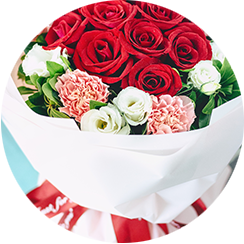
Carnations are the celebrated blooms of January. Known historically as the "flower of the gods," carnations symbolize love, fascination, and distinction. These hearty flowers are able to withstand winter's chill, much like January-born individuals who are often recognized for their resilience and determination.
- Color symbolism: Red for love, white for luck, pink for gratitude.
- Personality traits: Loyal, dependable, and persistent.
February: Violet & Primrose - The Sincere Romantic
While many might expect roses to represent February, the violet and primrose take center stage. Violets symbolize faithfulness and humility, while primroses express youthful love.
- Suitable for: The quietly passionate romantics.
- Key traits: Sincerity, modesty, and sensitivity.
March: Daffodil - The Optimist
The daffodil is a radiant herald of spring, representing rebirth and new beginnings. March-born individuals, much like these sunny blooms, are often thought to have a cheerful and hopeful demeanor.
- Associated qualities: Renewal, creativity, and optimism.
April: Daisy & Sweet Pea - The Joyful Friend
April boasts not one, but two birth flowers: the daisy and the sweet pea. Daisies symbolize innocence and loyal love, while sweet peas offer sentiments of bliss and gratitude.
- April personalities: Joyful, pure-hearted, and sociable.
May: Lily of the Valley & Hawthorn - The Gentle Soul
Lilies of the valley are fragrant harbingers of happiness and humility. Alongside them, hawthorn speaks to hope and supreme happiness. Those born in May are often thought to have gentle, honest, and nurturing souls.
- Key characteristics: Kindness, warmth, and consideration.
June: Rose & Honeysuckle - The Passionate Heart
Roses, perhaps the most iconic flower, represent love and appreciation. Honeysuckles, with their sweet fragrance, express devotion and everlasting bonds. June babies often possess deeply passionate and affectionate natures.
- Notable traits: Romantic, expressive, and charismatic.
July: Larkspur & Water Lily - The Imaginative Spirit
Larkspur, in a spectrum of colors, stands for lightness, positivity, and open hearts. Water lilies symbolize purity and enlightened thoughts. July-born individuals are known for their creative, optimistic, and nurturing spirits.
- Attributes: Playfulness, openness, and generosity.
August: Gladiolus & Poppy - The Independent Visionary
The gladiolus is emblematic of strength, integrity, and infatuation. The bold poppy signals imagination and remembrance. August celebrates individuals with resolute independence and vision.
- Traits: Courageous, imaginative, and honorable.
September: Aster & Morning Glory - The Thoughtful Intellectual
September's aster stands for wisdom, faith, and valor. Morning glories, blooming just as autumn approaches, speak to affection and unrequited love. Those born in September are often seen as thoughtful, wise, and analytical.
- Personality highlights: Intelligent, patient, and intuitive.
October: Marigold & Cosmos - The Vibrant Optimist
Marigolds burst forth in vivid oranges and golds, symbolizing warmth, creativity, and determination. Cosmos represent peace and harmony. October-born people are regarded as joyful, vibrant, and diplomatic.
- Key traits: Energetic, imaginative, and adaptable.
November: Chrysanthemum - The Loyal Companion
The chrysanthemum is revered for its symbolism of loyalty, friendship, and joy. In eastern cultures, it's also a sign of longevity and rejuvenation. November-born individuals often exhibit steadfast loyalty and a cheerful disposition.
- Noteworthy characteristics: Faithful, sincere, and optimistic.
December: Holly & Narcissus - The Noble Spirit
Holly, with its glossy green leaves and red berries, signifies protection and domestic happiness. The narcissus, or paperwhite, symbolizes self-esteem and hope. December's children tend to possess noble, hopeful, and generous spirits.
- Traits: Noble, empathetic, and multifaceted.
The Deep Symbolism Behind Birth Flowers
Understanding birth flower meanings isn't simply about identifying a bloom. Each birth flower brings with it an intricate tapestry of meanings and a rich cultural history. Flowers have long been used in art, literature, and ceremonies as messengers of both public and secret meanings, a practice known as floriography.
Unlocking Your Floral Identity
- January and February: Embody stoicism, humility, and deep loyalty -- essential qualities during winter's hardship.
- March to May: Heralding new life and gentle optimism, these spring blooms speak to cheerful, nurturing personalities.
- June to August: Blooming during summer's height, these flowers epitomize passion, courage, and creativity.
- September to December: As days shorten, the autumn and winter flowers emphasize wisdom, steadfastness, and inner nobility.
Floriography: The Language of Flowers
During the Victorian era, floriography became a popular way to communicate private feelings. Each birth flower -- from lily to larkspur -- was assigned virtues and messages understood by those trained in this secret language. Today, this tradition offers a delightful lens through which to view one's individual essence.
How to Use Birth Flowers in Everyday Life
It's not just about discovering your birth bloom -- it's about incorporating it into your lifestyle, celebrations, and expressions of personality. Consider these creative ways to honor your birth flower and deepen your connection to your botanical identity:
- Bouquets and decor: Display your birth flower in your home or office to evoke its symbolic energy year-round.
- Personal accessories: Opt for jewelry, scarves, or handbags featuring your birth flower motif.
- Gifting: Give friends and loved ones bouquets or mementos inspired by their birth flowers to mark special occasions.
- Gardening: Plant your birth flower in your garden or community space and nurture it as a living totem of your unique qualities.
- Mindfulness and meditation: Use the meaning of your birth flower as a focus point for personal growth, meditation, or journaling.
Birth Flowers and Astrology: A Harmonious Pairing
Many flower enthusiasts enjoy pairing their birth flower with zodiac signs for a fuller personality portrait. For example, fiery Aries (March-April) may feel extra synergy with sprightly daffodils or energetic daisies, while introspective Scorpio (October-November) might find kinship with the rich symbolism of marigolds or chrysanthemums. Combining astrology and botanical symbolism is a fun, layered way to explore the self.
Modern Trends: Customized Florals
With the growing popularity of personalized gifts, birth flower jewelry and wall art are trending. Artisans craft necklaces, prints, and more featuring detailed illustrations of each month's birth flower, sometimes paired with your name or birthstone for even more meaning. These pieces make thoughtful, one-of-a-kind presents that carry both aesthetic and sentimental value.
FAQ: Your Birth Flower Questions Answered
1. Can I have more than one birth flower?
Yes! Some months have multiple assigned flowers, and you may resonate with any of them. Feel free to embrace the symbolism that speaks most to your heart.
2. Do birth flowers have healing qualities?
Many cultures have used birth flowers for health and wellness. Some, like chamomile (related to daisies) and violets, have real medicinal properties. However, always consult an expert before using plants for healing.
3. How do I find my birth flower?
Refer to the list above by month. You can also explore regional differences -- some cultures select different blooms for the same birth month, which can add a personal twist to your botanical identity.
4. What if I don't feel connected to my birth flower?
That's okay! The botanical meaning of birth flowers can be playful and interpretive. If another flower "calls" to you, let it be part of your floral self-expression.
Conclusion: Embrace Your Botanical Identity
From January's carnation to December's holly, birth flowers offer a vibrant, ancient connection between humanity and the plant world. Understanding the botanical characteristics associated with your birth flower invites you to celebrate your innate qualities, strengthen bonds with loved ones, and cultivate meaning in everyday life. Whether you're exploring your own floral identity, seeking the perfect personalized gift, or simply want to enhance mindfulness through nature, let your birth flower guide you toward self-discovery and joy.
Discover your birth flower today, and let its symbolism and beauty inspire your journey!